Liberation across the region
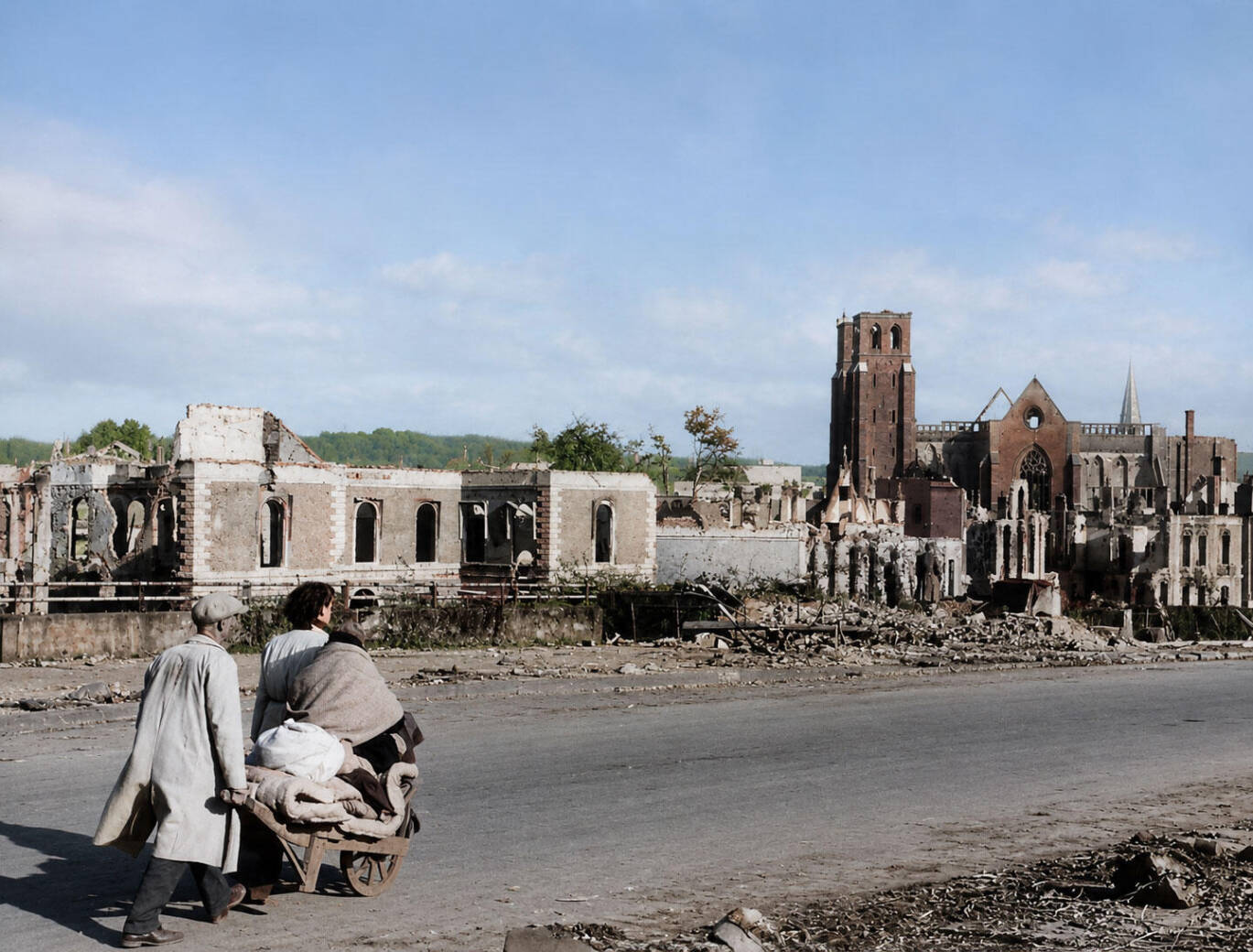
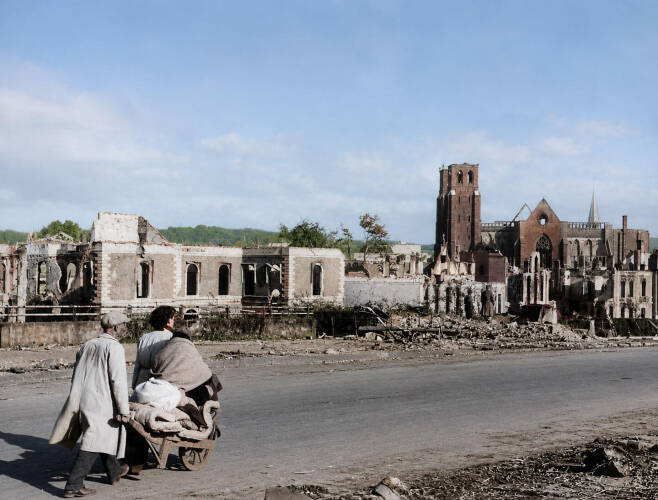
The Arnhem Region was not liberated all at once. By then, many towns and villages had been badly damaged or left deserted following large-scale evacuations. When residents returned in the spring of 1945, they found empty streets and damaged homes. For many, there was little cause for celebration. The region faced the immense task of rebuilding and starting again.
Oosterbeek experienced what is sometimes described as a ‘second liberation’ in April 1945. In September 1944, residents had hoped that Operation Market Garden would bring liberation. Instead, fierce fighting followed and much of the village was destroyed. Oosterbeek was not finally liberated until April 1945, when British and Canadian troops arrived.
Experiences of occupation, evacuation and liberation differed from place to place. As a result, Liberation Day still carries different meanings across the Arnhem Region.
A liberation without celebration
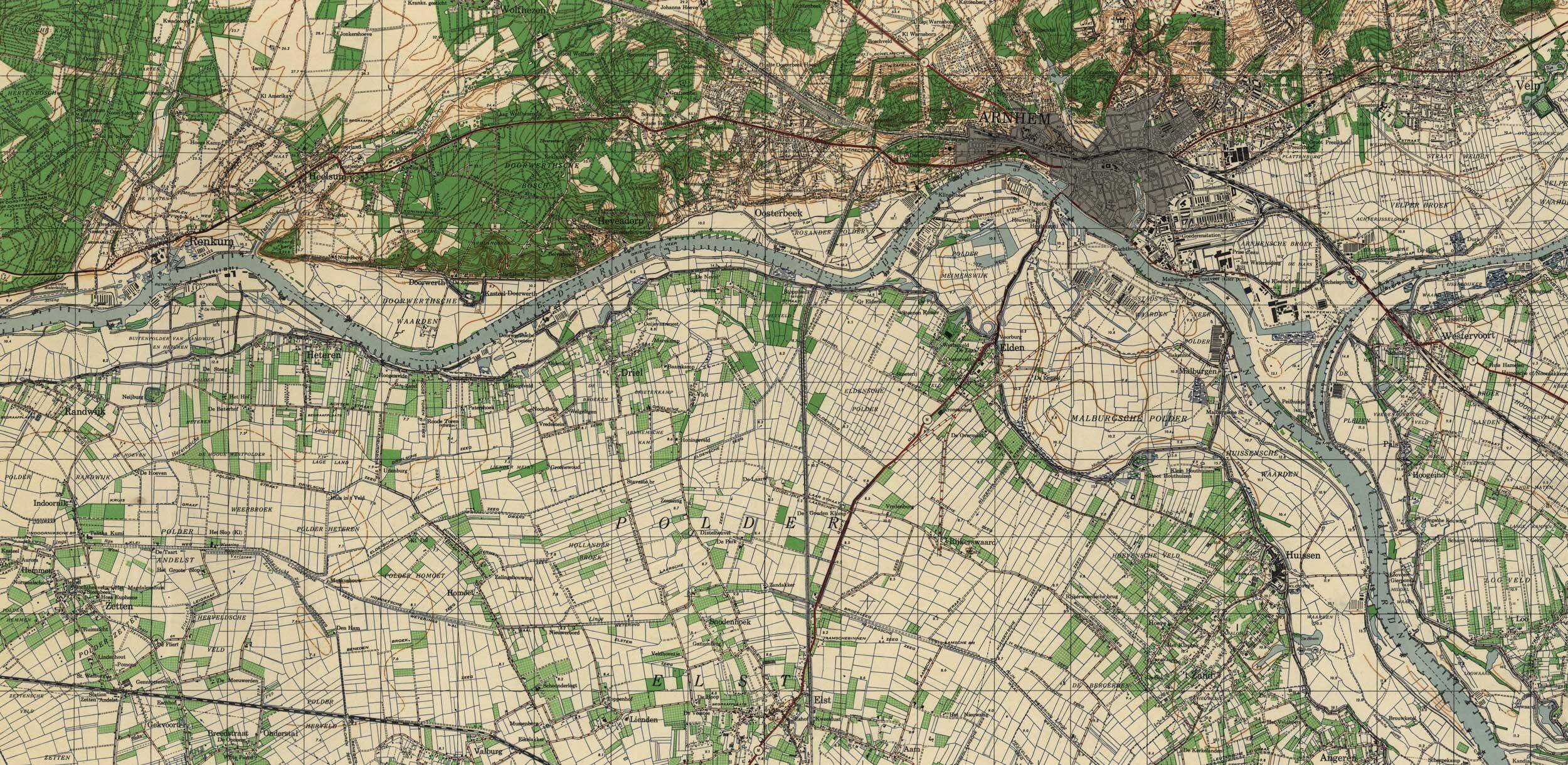
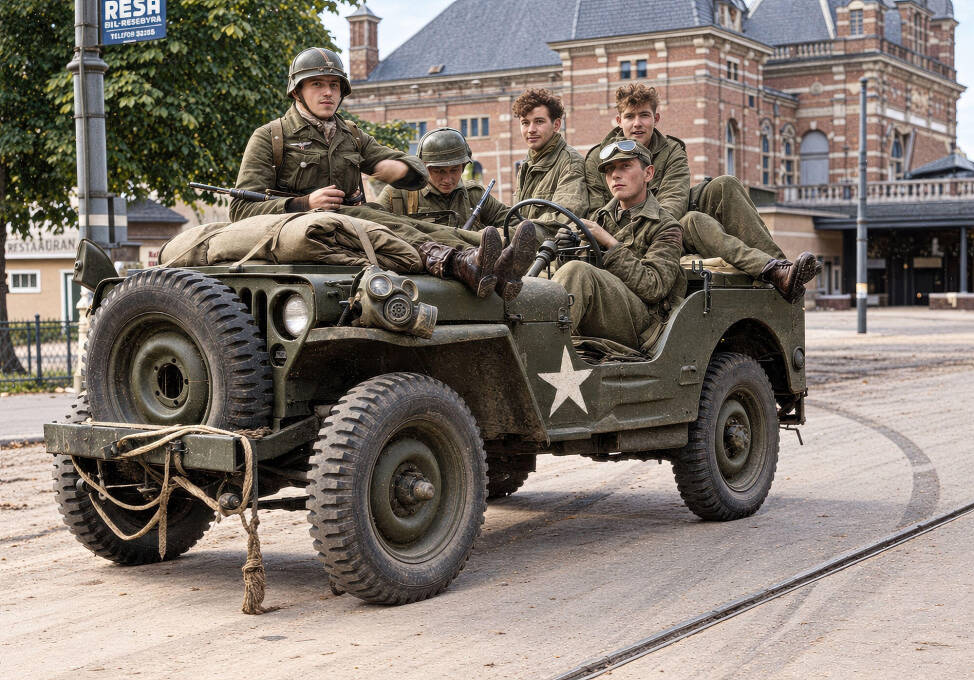
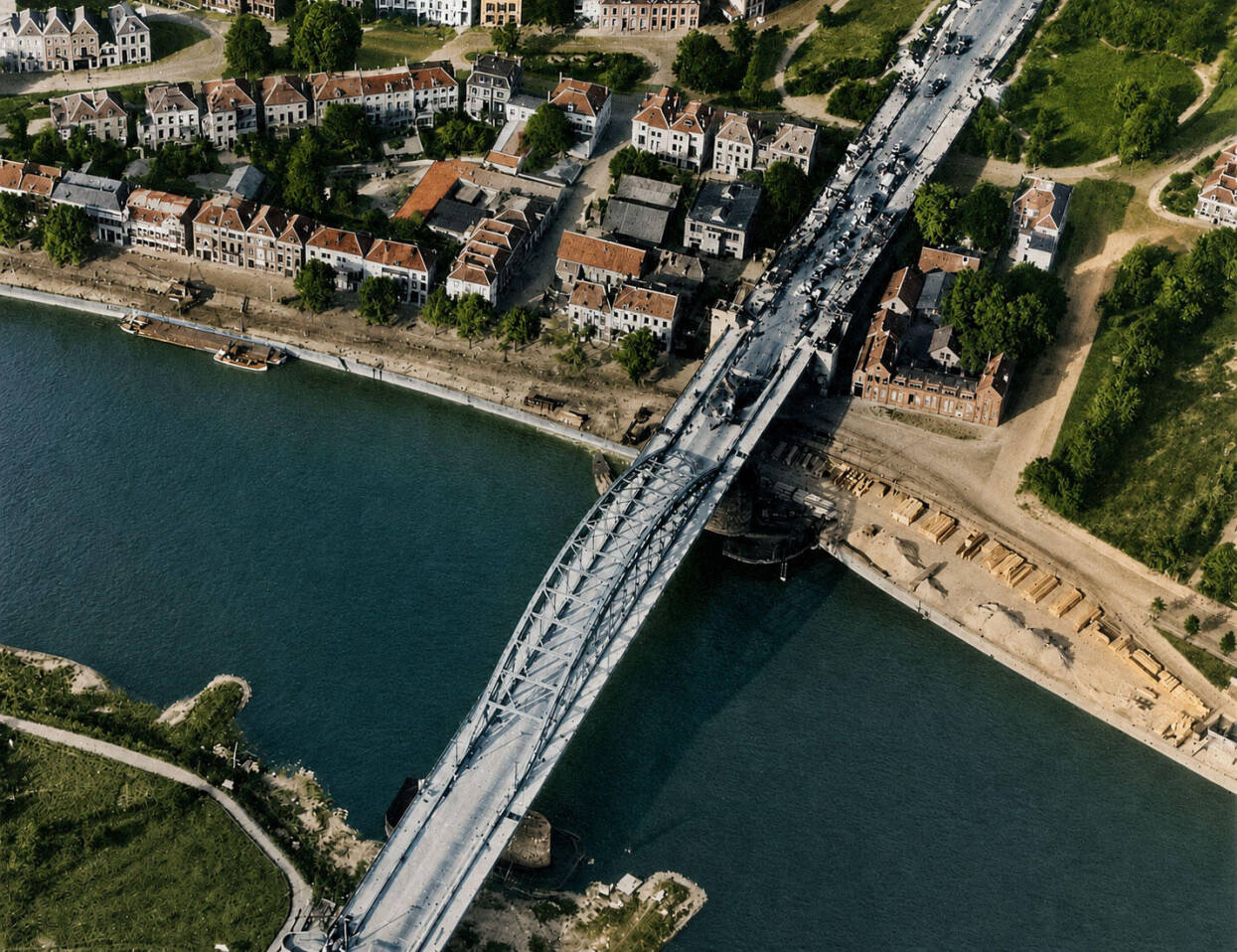
In September 1944, the Arnhem Region became one of the main settings for Operation Market Garden, one of the largest Allied airborne operations of the Second World War. Through this ambitious operation, the Allies sought to capture a series of strategic bridges using airborne troops before German forces could destroy them.
Market Garden
The wartime story of the Arnhem Region
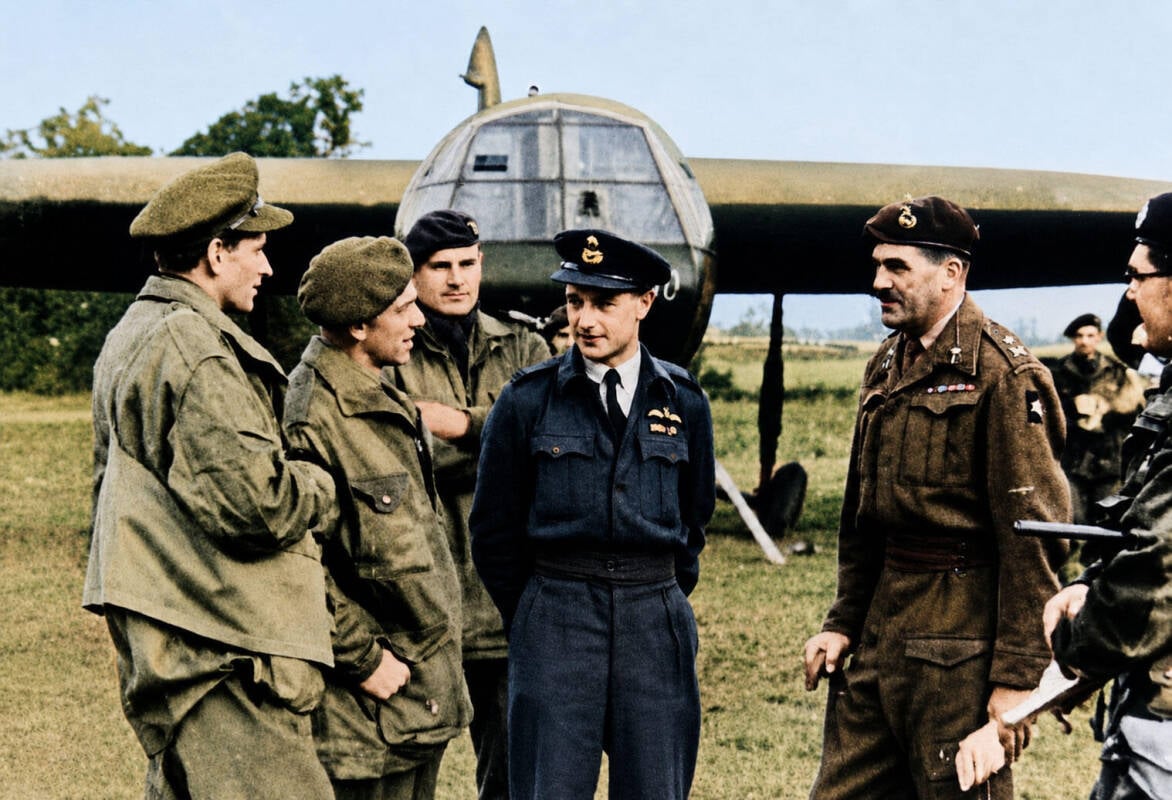
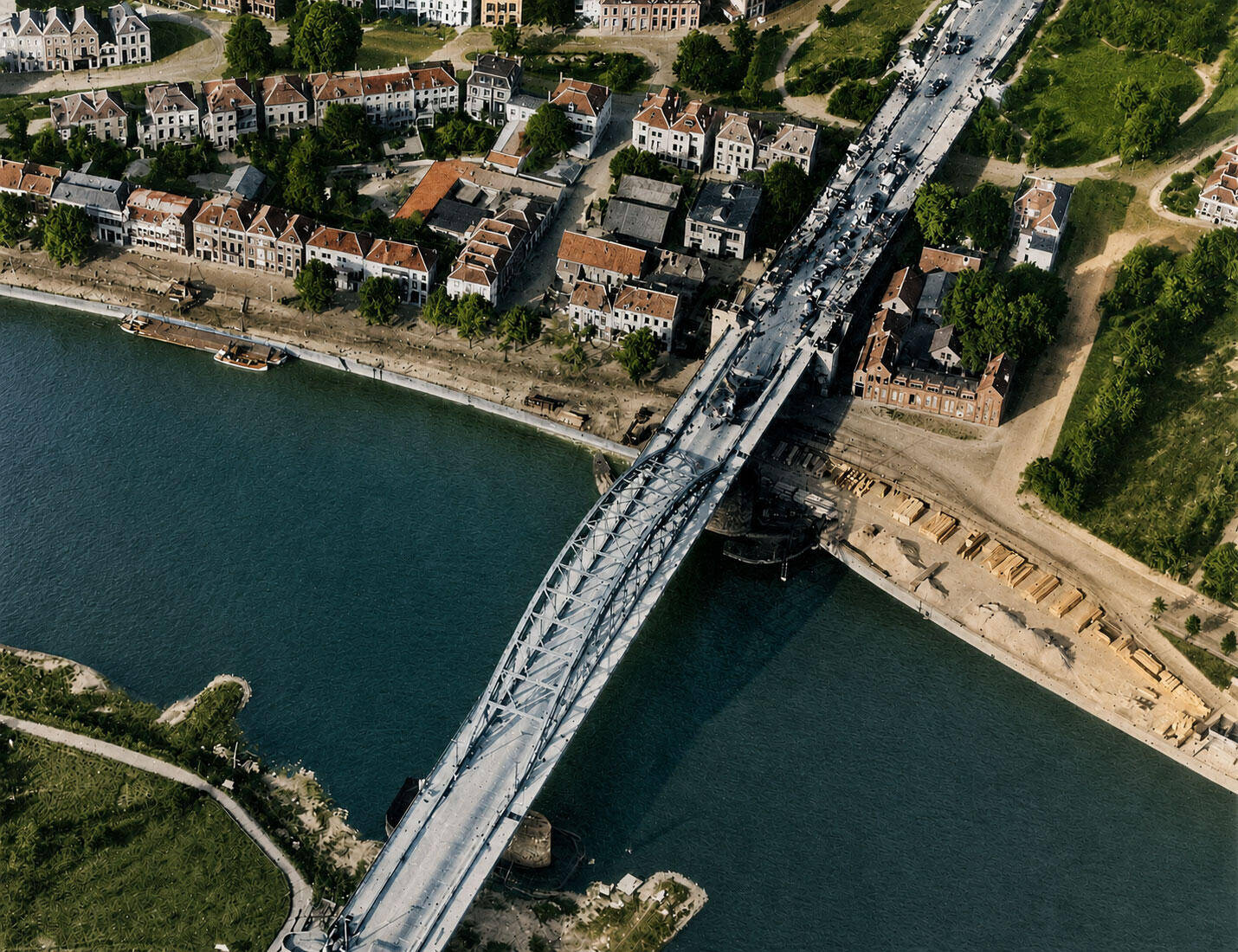
Provided the bridges remained intact, Allied troops and vehicles advancing from France and Belgium after D-Day could cross them and push rapidly towards Germany. The Allies hoped that this would help bring the war to an earlier end.
However, they encountered stronger resistance than expected. Arnhem became the scene of fierce fighting between Allied airborne troops and German forces. After an intense battle, the bridge over the Rhine at Arnhem ultimately proved to be a bridge too far. These events left a profound and lasting mark on the entire region.
A bridge too far
Veluwezoom/Airborne Region
The wartime story of the Veluwezoom
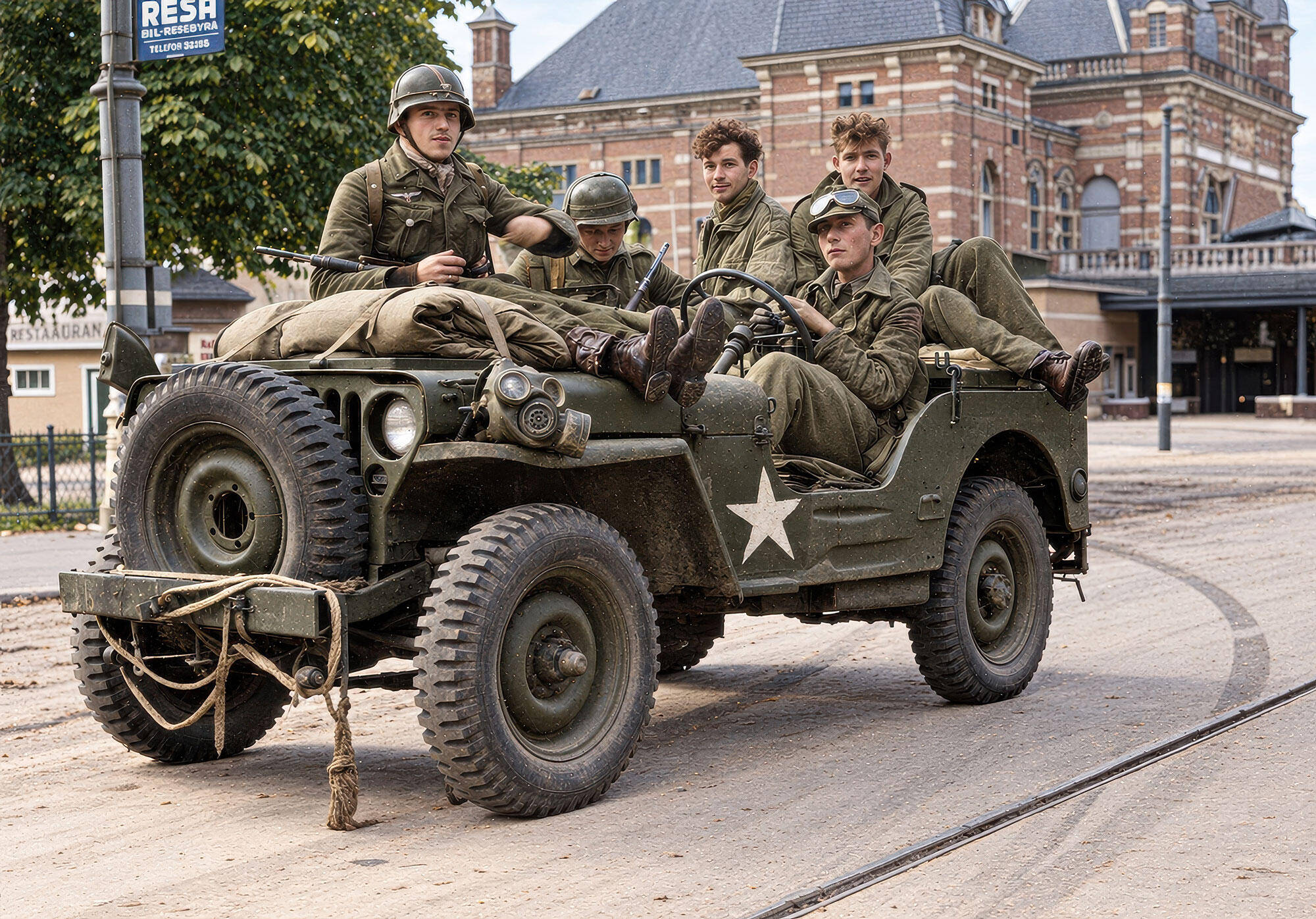
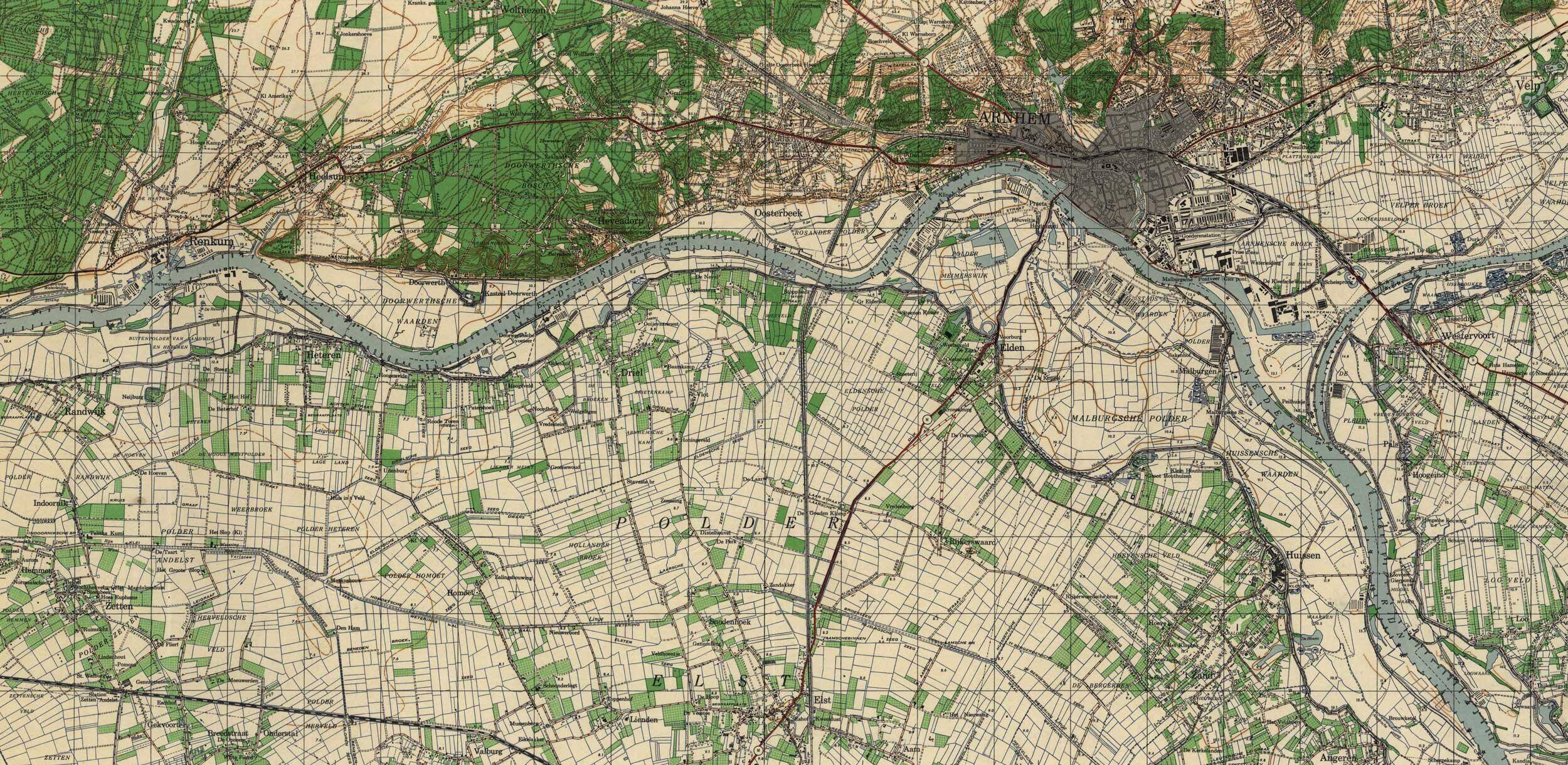
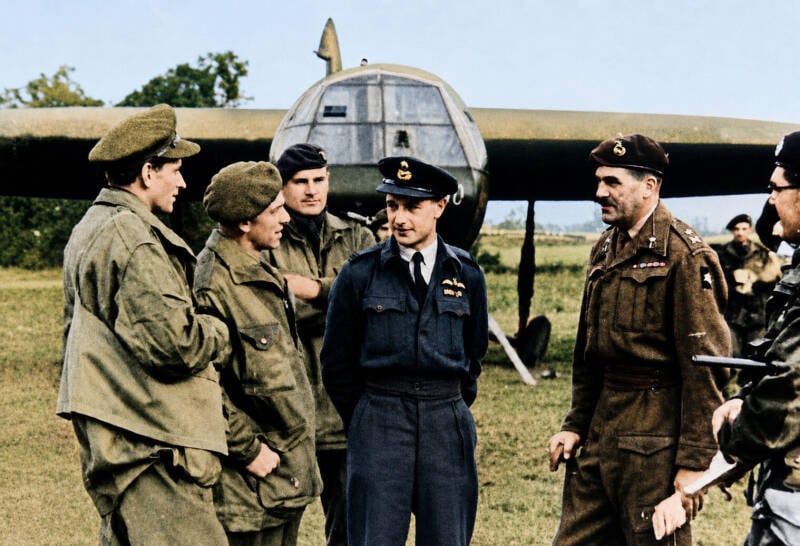
In September 1944, thousands of paratroopers landed on the Ginkelse Heide near Ede before advancing towards Arnhem via Renkum and Oosterbeek. Following fierce fighting around the bridge over the Rhine in Arnhem, the Allied airborne troops were forced to withdraw to a defensive perimeter around Oosterbeek. There, they held their position for nine days despite continuous German attacks.
Some 2,400 servicemen were evacuated across the Rhine, while wounded troops and medical personnel remained behind. Around 6,500 British and Polish troops were taken prisoner, and 1,900 were killed.
Villages had been devastated and many residents had been forced to leave their homes. The human and material cost was immense.
Betuwe
War in the Betuwe
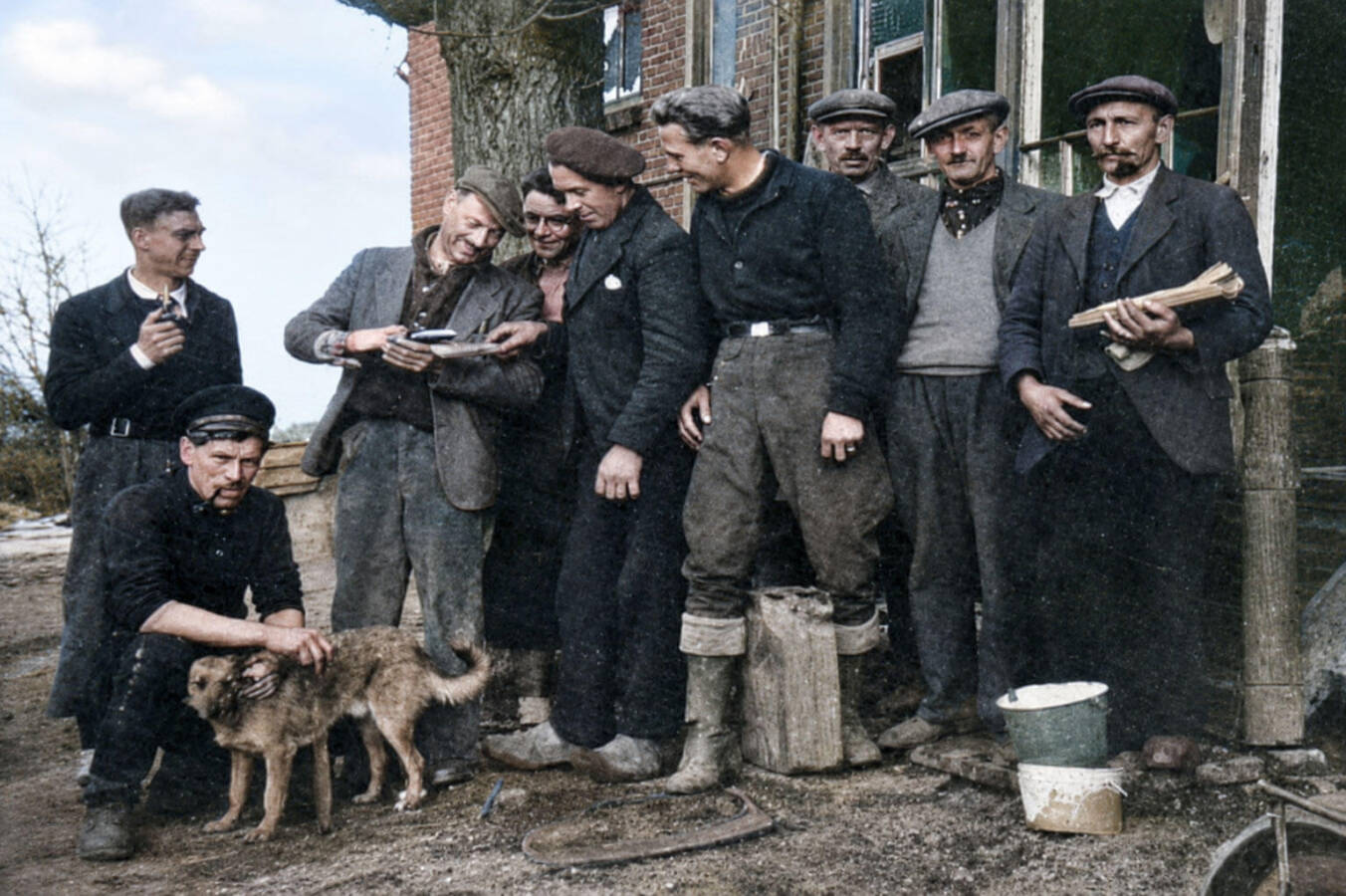
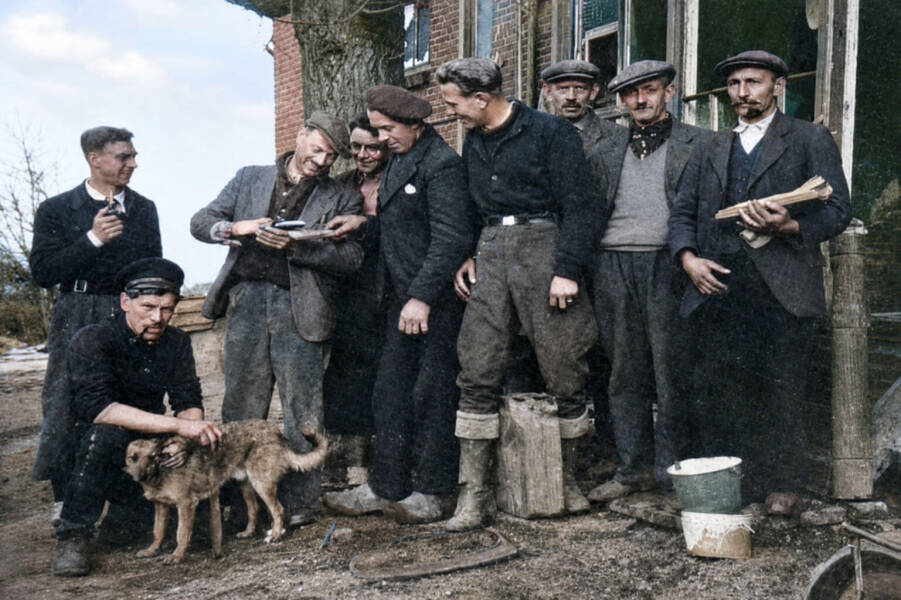
Following the failure of Operation Market Garden, the Betuwe remained on the front line for months. Tens of thousands of residents were evacuated, while some men stayed behind to tend to their livestock. After the dykes were breached, these men found themselves surrounded by floodwater. The area became known as Manneneiland, or ‘Men’s Island’. The Betuwe gradually became a largely deserted landscape shaped by war.
Liemers
The Liemers during the war
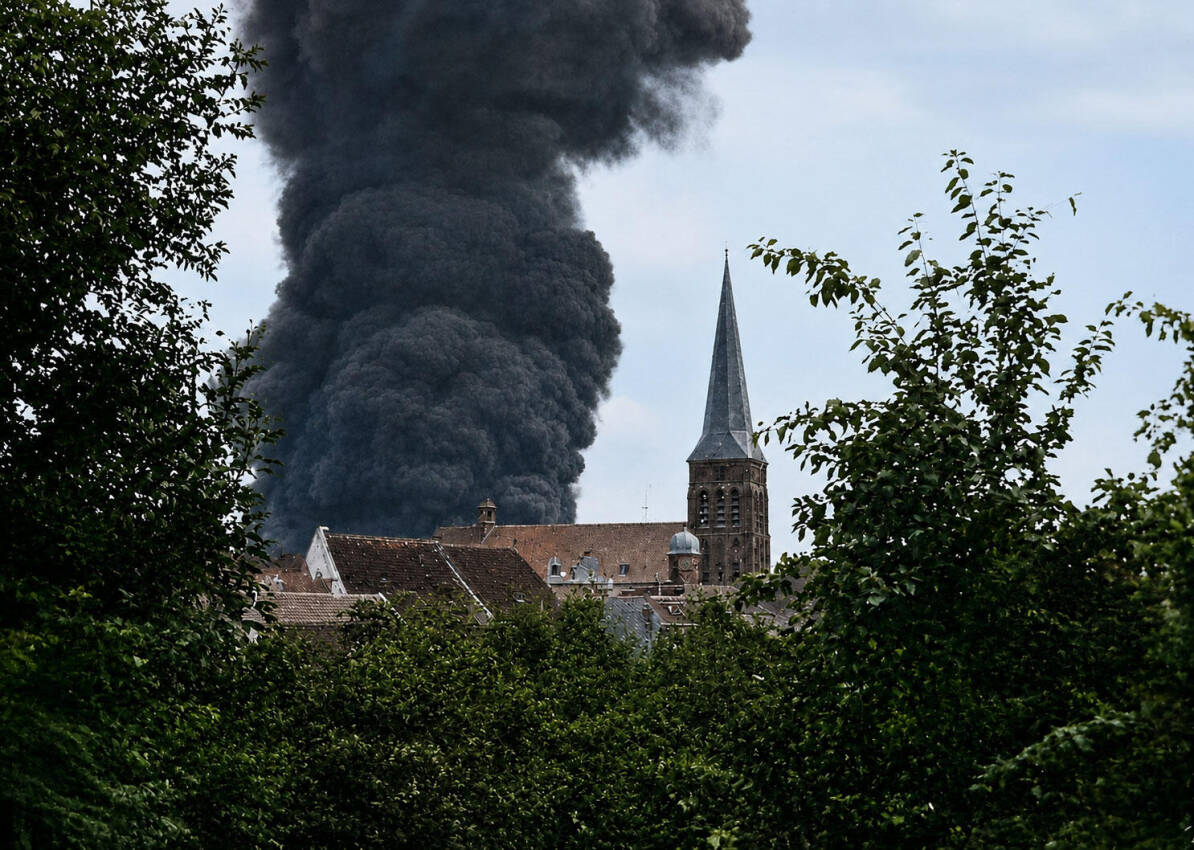
The Second World War also left deep scars across the Liemers. Situated along the Rhine and close to the German border, the region endured bombing raids, evacuations and heavy fighting. During the final six months leading up to liberation in 1945, fighting was particularly fierce around Zevenaar and near the bridges over the Rhine. Today, memorials and stories keep the memory of this turbulent period alive.
Liberation in Wageningen
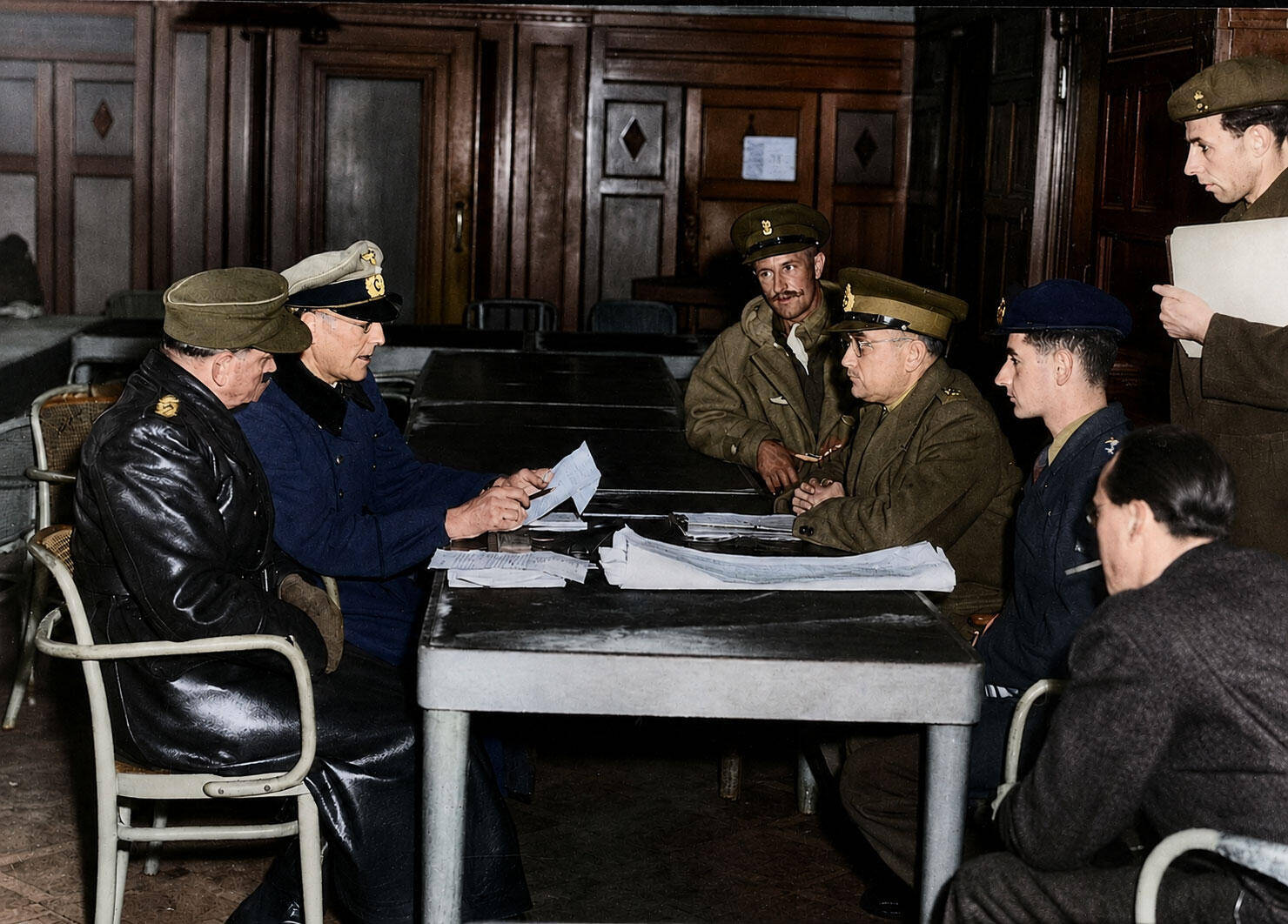
Wageningen holds a special place in the Netherlands’ wartime history. On 5 May 1945, Canadian general Charles Foulkes and German commander Johannes Blaskowitz met at Hotel De Wereld to discuss how the surrender of German forces in the Netherlands would be implemented. Although the wider surrender of German forces in north-western Europe had already been agreed, Wageningen went on to become a national symbol of liberation. Each year, the city commemorates this historic moment and celebrates the value of freedom.
5 May 1945: Wageningen makes history

Liberation across the region
The Arnhem Region was not liberated all at once. By then, many towns and villages had been badly damaged or left deserted following large-scale evacuations. When residents returned in the spring of 1945, they found empty streets and damaged homes. For many, there was little cause for celebration. The region faced the immense task of rebuilding and starting again.
Oosterbeek experienced what is sometimes described as a ‘second liberation’ in April 1945. In September 1944, residents had hoped that Operation Market Garden would bring liberation. Instead, fierce fighting followed and much of the village was destroyed. Oosterbeek was not finally liberated until April 1945, when British and Canadian troops arrived.
Experiences of occupation, evacuation and liberation differed from place to place. As a result, Liberation Day still carries different meanings across the Arnhem Region.
A liberation without celebration
Liberation in Wageningen
Wageningen holds a special place in the Netherlands’ wartime history. On 5 May 1945, Canadian general Charles Foulkes and German commander Johannes Blaskowitz met at Hotel De Wereld to discuss how the surrender of German forces in the Netherlands would be implemented. Although the wider surrender of German forces in north-western Europe had already been agreed, Wageningen went on to become a national symbol of liberation. Each year, the city commemorates this historic moment and celebrates the value of freedom.
5 May 1945: Wageningen makes history
Liemers
The Liemers during the war
The Second World War also left deep scars across the Liemers. Situated along the Rhine and close to the German border, the region endured bombing raids, evacuations and heavy fighting. During the final six months leading up to liberation in 1945, fighting was particularly fierce around Zevenaar and near the bridges over the Rhine. Today, memorials and stories keep the memory of this turbulent period alive.
Betuwe
War in the Betuwe
Following the failure of Operation Market Garden, the Betuwe remained on the front line for months. Tens of thousands of residents were evacuated, while some men stayed behind to tend to their livestock. After the dykes were breached, these men found themselves surrounded by floodwater. The area became known as Manneneiland, or ‘Men’s Island’. The Betuwe gradually became a largely deserted landscape shaped by war.
In September 1944, the Arnhem Region became one of the main settings for Operation Market Garden, one of the largest Allied airborne operations of the Second World War. Through this ambitious operation, the Allies sought to capture a series of strategic bridges using airborne troops before German forces could destroy them.
Veluwezoom/Airborne Region
The wartime story of the Veluwezoom
In September 1944, thousands of paratroopers landed on the Ginkelse Heide near Ede before advancing towards Arnhem via Renkum and Oosterbeek. Following fierce fighting around the bridge over the Rhine in Arnhem, the Allied airborne troops were forced to withdraw to a defensive perimeter around Oosterbeek. There, they held their position for nine days despite continuous German attacks.
Some 2,400 servicemen were evacuated across the Rhine, while wounded troops and medical personnel remained behind. Around 6,500 British and Polish troops were taken prisoner, and 1,900 were killed.
Villages had been devastated and many residents had been forced to leave their homes. The human and material cost was immense.
Market Garden
The wartime story of the Arnhem Region
Provided the bridges remained intact, Allied troops and vehicles advancing from France and Belgium after D-Day could cross them and push rapidly towards Germany. The Allies hoped that this would help bring the war to an earlier end.
However, they encountered stronger resistance than expected. Arnhem became the scene of fierce fighting between Allied airborne troops and German forces. After an intense battle, the bridge over the Rhine at Arnhem ultimately proved to be a bridge too far. These events left a profound and lasting mark on the entire region.
A bridge too far